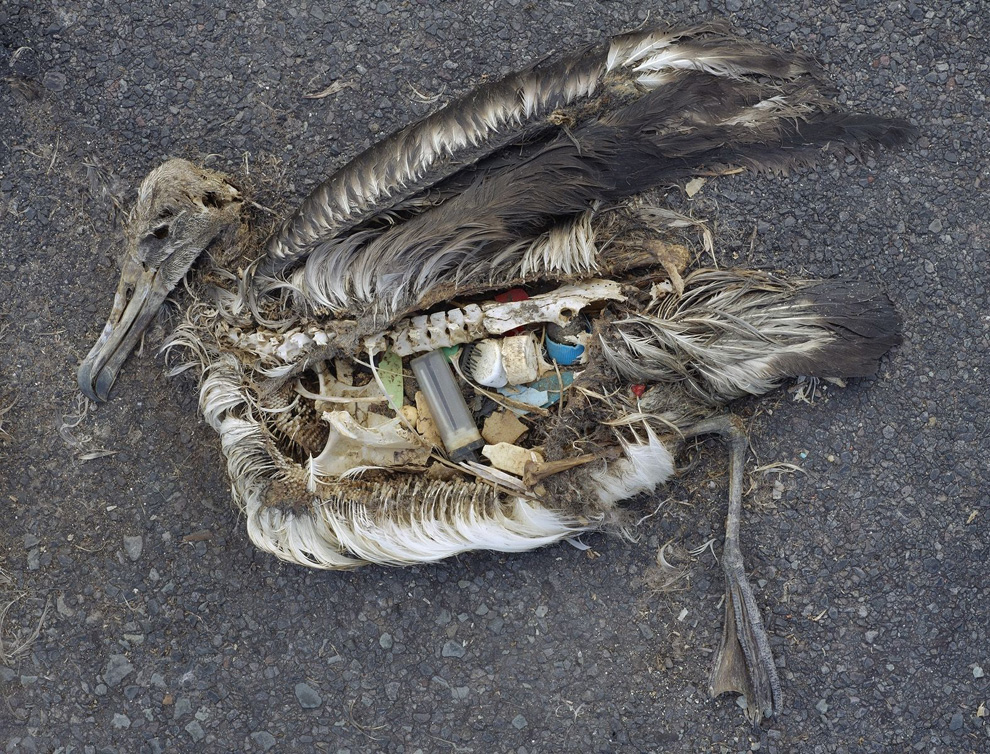
The Great Pacific Garbage Patch may be a familiar term to some, especially to those who care about oceans and marine life. For those who don’t know, the Great Pacific Garbage Patch is a term that refers to a collection of marine debris, particularly plastic, in the North Pacific Ocean. It is also known as the Pacific Trash Vortex because ocean currents keep the massive amounts of debris moving between the two major patches that exist.
Size and Make Up
There’s a persistent myth that the Great Pacific Garbage Patch is a single island of garbage floating in the Pacific Ocean. But because of the ocean currents and different debris in the patch, there are actually several sections over millions of square miles that make up the patch. A 2018 study estimated that the Great Pacific Garbage Patch was at least 79 thousand tonnes of ocean plastic and is rapidly accumulating plastic, which means that number could be significantly higher now.
While the Great Pacific Garbage Patch is indescribably huge, it cannot be seen from space. In fact, a significant portion of the patch can’t be seen by the naked eye if you were right on top of it. The patch is, as Dianna Parker from the NOAA Marine Debris Program describes, “made up of tiny microplastics, almost akin to a peppery soup, with scattered larger items, fishing gear, those kind of items swirling around.” Back in 2019, scientists also found evidence suggesting that microplastics could be up to 800 feet below the surface.
Ocean Currents
The North Pacific Subtropical Convergence Zone is why the two patches are bound together; this zone is where the warm waters from the South Pacific meet with the cold waters from the Arctic. This zone is surrounded by the North Pacific Subtropical Gyre, a large system of four swirling ocean currents that keep the trash vortex moving over 7.7 million square miles.

Effects
The effects of plastic and trash in every ocean are widespread and impact more than just those along the Pacific Rim. The plastic patches around the Pacific are now home to an odd mix of coastal and marine species, causing scientists to worry about biological invasions. Microalgae is a particular threat and the invasive species being carried by the plastic can threaten biodiversity, food security, and human and animal well-being.
For marine life, debris in the oceans is incredibly dangerous, as these animals have ingested or become entangled in plastic, which causes choking, starvation, and other issues. This is highlighted by photos of deceased birds’ stomaches being full of plastic, plastic straws caught in a sea turtle’s nostril, whales tangled in fishing nets, and seal snouts being caught in plastic containers. In fact, a new disease called plasticosis was just identified in seabirds earlier this year. Plasticosis results in scarring of digestive tracts, which in turn makes the birds more vulnerable to infections and parasites while also impacting their ability to digest food and absorb nutrients.
Clean Up
Cleaning up the Great Pacific Garbage Patch isn’t an easy feat for many, many reasons and efforts to do so could easily bankrupt a nation, which could be why so many countries refuse to take responsibility for the patch. First, the amount of plastic at various levels (including the sea floor!) means clean-up is far more than just what we can see at the surface. The NOAA Marine Debris Program estimates it would take 67 ships one year to clean up less than 1% of the patch. Second, microplastics of various sizes mean there needs to be a wide range of clean-up techniques that also don’t unintentionally sweep up marine life with the plastic.
Organizations like Algalita and The Ocean Cleanup are actively working to clean up marine debris in the Pacific while also trying to stop the problem at the source. There have been others that have worked to raise awareness, like National Geographic Emerging Explorer David de Rothschild who worked with a team to create a large catamaran made of plastic bottles. In 2010, they successfully navigated the boat, which they names Plastiki, from California to Australia.
Getting plastic out of the ocean is only one step, as where the plastic finally ends up really matters. The Ocean Cleanup, for example, made sunglasses out of the plastic they pulled from the ocean to demonstrate that recycling plastic into durable and reusable products is possible.
What Can We Do?
When news broke about a sea turtle having a plastic straw stuck in its nose, calls for a ban on single-use straws erupted and with it, came heavy debates. Single-use plastic, like straws, is only a part of the marine debris that ends up in our oceans or beaches. Given the amount of work that needs to be done and how systemically widespread plastic is, being optimistic about this problem is difficult. This is such a large and overwhelming problem that doing anything as a single person feels fruitless. But there are ways to make a difference. Here are a couple of ideas:
Participate in a beach clean-up! The pollution and plastic on our beaches are far more pressing issues that people who live near them can help address.
Eliminate single-use plastic in your life as much as possible and try zero-waste practices.
Remember that this problem is nuanced and complicated; what works for you isn’t going to be universal. When the single-use straw debate was happening a few years ago, some disabled folks started talking about how single-use straws made it possible for them to drink liquids on a regular basis and how more traditionally sustainable options weren’t suitable alternatives for them. Additionally, this problem is constantly evolving and research is always discovering new things about plastic pollution.
Understand that important solutions are boring and repetitive. Ocean cleanup is exciting and “sexy” but it is by no means the actual solution.
Become a citizen scientist and help scientists better understand what is going on.